Products
Knowledge & Support
Explore our Knowledge Hub:
Tips & Advice Education Area One Home. One Complete Heating Solution. Home Heating Guide Government Support Schemes FAQs Case Studies The Grant House Virtual House Glossary Visit the Knowledge HubLooking for Help & Support:
Getting Support Register a Product Find a Merchant Downloads Grant Home Heating Design Service Product SupportAbout Us
Products
Flues
Knowledge & Support
Explore our Knowledge Hub:
Tips & Advice Education Area One Home. One Complete Heating Solution. Home Heating Guide Government Support Schemes FAQs Case Studies The Grant House Virtual House Glossary Visit the Knowledge HubLooking for Help & Support:
Getting Support Register a Product Find a Merchant Downloads Grant Home Heating Design Service Product SupportAbout Us

Education Area
Find out more about our wide range of products and how they operate.

Integrated Heating Packages
What is an Integrated Heating System?
Modern home heating systems are designed to do much more than simply heat a property. As homes become more energy-efficient and homeowners look for ways to improve comfort, reduce energy usage, and lower carbon emissions, heating systems are becoming increasingly connected and intelligent. This is where integrated heating systems come in.
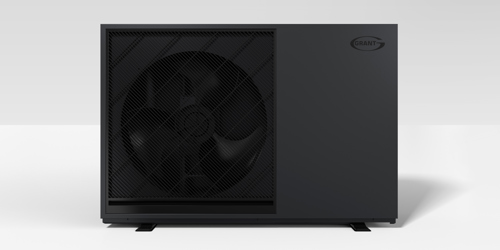
What is the difference between an air source heat pump and a ground source heat pump?
At Grant, we recognise the significance of selecting the most suitable heating system for your new- build home. When it comes to choosing the right heat pump, we understand that factors such as energy efficiency, compatibility with your space, sustainability and long-term cost savings are crucial. If you are deciding between an air source heat pump and ground source heat pump for your home, here’s everything you need to know:

What is R290 Refrigerant?
Air source heat pumps use refrigerants to help them convert heat energy from the air outside and use this to provide heating to our homes. For the last number of years, R32 refrigerant has been commonly used in heat pumps and as heat pump technology has evolved, the type of refrigerant used in some heat pumps is also changing. Let’s take a closer look at R290 refrigerant and the role it plays in home heating.

First home in Northern Ireland to be heated with HVO biofuel
A new-build house in County Down is set to dramatically reduce its carbon footprint after becoming the first in Northern Ireland to be heated using a biofuel.

What is biofuel?
Biofuel is a renewable green alternative from 100% kerosene. It is made from organic matter and waste materials and can eliminate over 80% of net carbon dioxide emissions compared to traditional fossil fuels.

What is an air to water air source heat pump?
An air to water air source heat pump utilises heat energy captured from the air in “wet” heating systems such as radiators or underfloor heating.

What is a condensing oil boiler?
A condensing oil boiler has been designed to help improve energy efficiency.

What is a hot water cylinder?
A hot water cylinder is required for domestic hot water requirements as part of a central heating system.